

本站推荐电影
-
·单月大增超2万亿!私募规模飙升 头部机构高仓位押注后市
·米哈游生活模拟游戏《星布谷地》官宣 2026 年冬季上线,已上架苹果 App Store
·7款中/大型SUV大横评第二波:谁能更优雅地进入第三排?
·闽江潮涌纳百川 有福之州聚英才
·8月22日晚间央视新闻联播要闻集锦
·在武汉,生一个孩子要花多少钱?
·王思聪对王欣、罗永浩、摇音新社会产品的评价:三者都是垃圾
·宫崎英高对任天堂赞不绝口!玩家担心新作NS2永久独占
·《全国供销合作社“十五五”发展规划》发布
·集齐3名状元!鲁媒:王岚嵚与山东男篮签下的是一份长达4年的合同
·广州塔1小时内连续6次接闪电 华南强降雨何时减弱?
·抚顺广播电视台举行第25个中国记者节庆祝活动
·福建省人工智能创新发展交流活动在福州举办
·看见雄安丨夏天不用开空调 雨水一滴不浪费 这座游泳馆怎么做到的?
·Drakong 发布全新 进击的巨人2:最后一战 主题收藏级手柄,以盲盒形式发售
本站推荐电视剧
-
·俄罗斯外长拉夫罗夫将率代表团前往纽约参加联合国大会
·利物浦3:1胜曼城夺得社区盾杯冠军
·Japanese govt mulls using US’ AI tool for right-wing narratives: media
·创造历史!蒙古男篮绝杀日本
·第十二届金砖国家通信部长会议在印度浦那召开
·入坑即毕业!魔域口袋版是怎么布局启世服的?
·三星:2021年最早大规模生产3nm工艺
·晚霞似锦
·沈阳对违规售卖兽用管制药品门店依法立案调查
·ピンクのランジェリーで魅せるまん丸ヒップ 舞台で活躍中の元SKE23歳美女 爽やか青ビキニも
·【早知道】马云出手增持,已连日买入阿里港股超6亿港元
·立航科技:聘任母鹏路担任公司董事会秘书
·网飞官宣新片马上播!《GTA6》直播后谁还看泄露?
·跑步被绊倒扭伤:怪“路”,还是怪“人”?
·컴투스, 신작 ‘제우스’ 출시와 함께 8% 강세 마감
电影下载排行
-
·差距非常悬殊!半场比拼火箭有7个前场篮板 勇士0个
·苹果 AI 服务器内部结构首曝:M5 系列芯片、2U 机架,Mac Studio 负责软件控制
·希腊豪门将全力追逐约基奇 经纪人确认报价属实
·Token不够用了!AI时代最火“新生意”|WAIC观察
·OPPO Find X3系列、一加9系列本周升级ColorOS 13公测版_机型_系统
·'We Want to Save Lives': How Tory Cabinets Pushed NHS to the Wall, Disregarded Nation's Health
·2025京东618时间提前了:5月30日晚上8点开始真正的618开门红
·福建最长普通公路跨海大桥预计年底建成通车!一批交通项目迎来新进展
·点翠蓝/大溪地灰/璀璨绿/粉珊瑚等 新款欧拉好猫推6款外观颜色
·From Energy to Security: Did Biden Get Everything He Wanted From Saudi Arabia?
·天空:桑德兰正全力推进马赛边锋伊戈尔·派尚的签约
·济南市工商联第十六次代表大会开幕 刘强王随莲讲话 杨峰出席
·爱在枪火中重燃《全球使命3》七夕淘礼嗨不停
·北京体彩“迈开步 动出彩”运动嘉年华燃动老故事503文创园
·Report: UK Defense Secretary is Using Ukraine Conflict to Demand Bigger Budget
电视剧下载排行
-
·Continued weak yen may create new problems even after US-Japan intervention
·传苹果正在测试支持M2 iPad Pro的macOS系统
·聚焦大湾区丨穗深开启双向常态化海上文旅航线
·经纪人化身“急救员” 贝壳、链家为社区应急救援增添力量
·王慧文回应说,艺术团参与了游戏领域:试一试,不要想太多。
·改革“林”距离 |从“守青山”到“兑碳金”——滦河林场的兴林富民记
·联想与海尔战略签约:推动联想AI PC加速融入海尔智慧家庭
·伊朗总统称应摆脱非战非和状态
·阿兰·史密斯:桑切斯是切尔西争冠最大弱点,必须尽快升级门将
·两人利用新能源车“先充后付”漏洞,注册 870 个子账号狂薅车企超 40 万元电费被捕
·F1世界冠军阿隆索加盟阿斯顿·马丁车队
·微信正在把自己变成一个AI
·网易互娱连走三人?丁磊对广州藩王的精准切割
·高盛上调预测:2030年中国芯片业资本开支将达820亿美元
·十年比特币,硅谷野心下的动荡
银翼杀手
-
发布时间:2026-08-26
哔哩哔哩
Allu Arjun to Shoot Underwater Sequence for AA22XA6?_我的网站

A |
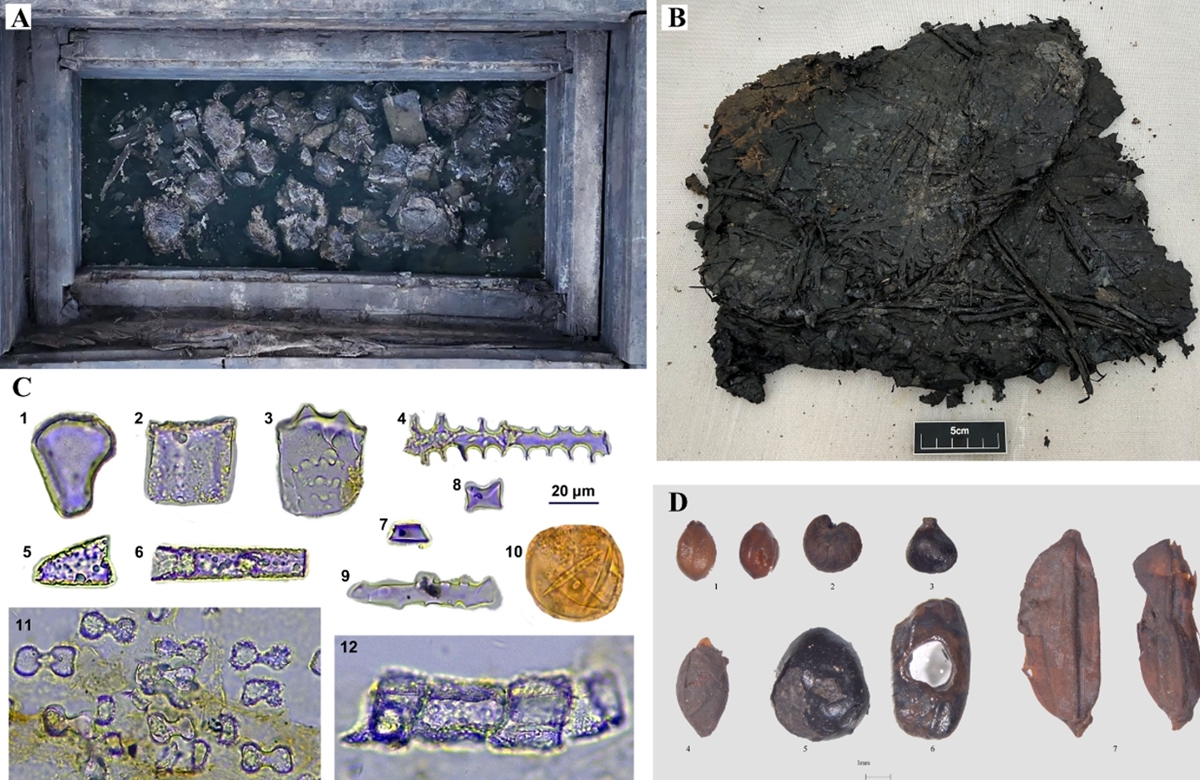
In March 2024, archaeologists from the National Center for Archaeology excavated a large number of well-preserved, waterlogged plant bundles from the tomb's outer coffin chamber. On-site, the plant bundles could be seen tightly wrapped in broad leaves and tied with plant-fiber cords.
A team of researchers led by the National Center for Archaeology, IVPP, and the Chinese Academy of Social Sciences examined 12 of the bundles and found that the wrapping leaves came from oak trees, while the cords were made from grasses.
The bundles mainly contained rice, broomcorn millet, foxtail millet, and cereal seeds, most of which were still in their husks and mixed with inflorescence material. Small amounts of peppercorn, mallow and rice-field weed seeds were also found.
The fact that the bundles were found in a tomb and mainly contained grains still in their husks suggests they were not everyday food, but offerings intended for funerary rituals. "This might reflect a Warring States-era belief that grains served as wealth for the dead in the underworld," Ge Yong, an associate researcher at the IVPP and the study's corresponding author, told the Global Times.
A Qin Dynasty (221BC-206BC) text describes a belief that "soybeans were gold and millet was money" for the dead, indicating that grains held symbolic significance in funerary culture. "The bundles therefore appear to have been ritual offerings prepared for the deceased," Ge said, "not food for the living."
The physical structure of the bundles also resembles that of zongzi, with grains wrapped in leaves and tightly secured with plant-fiber cords. "Similar practices of wrapping grains for burial have also been found elsewhere within the Chu cultural sphere," Ge said, "such as at the Chengyangcheng Site."
At the Chengyangcheng archaeological site in Henan Province, rice and broomcorn millet were also discovered wrapped in oak leaves. "An interesting fact is that we can still find zongzi wrapped with the same oak leaves now in regions related to the Chu cultural sphere."
"The findings suggest that wrapping grains as funerary offerings was a relatively common practice in the Chu state during the Warring States period," Ge said. "And this practice may have been an early form of the zongzi later associated with the legend of Qu Yuan."
These plant bundles share a structure similar to that of modern zongzi and to those described in legends and folklore. This might reflect how, through cultural exchange and heritage, these 2,200-year-old plant bundles likely evolved over centuries, shifting from sacrificial offerings to food, said Ge.
As diverse regional populations adapted the practice, it eventually transformed into the well-known Dragon Boat Festival tradition of eating zongzi. Thus, this structural resemblance might suggest a potential historical lineage; however, experts stressed that the Wuwangdun bundles should not simply be labelled as ancient zongzi.
"We can't define these plant bundles as the earliest zongzi, but rather, we can confirm that by 2,200 years ago at the latest, the Chu region had established a tradition of using this specific form of plant bundles for funeral rites. And this tradition could be a possible origin or precursor of the well-known zongzi," said Ge.
He added that the discovery provides critical physical evidence to explore the origins of zongzi and its cultural heritage.
。 Allu Arjun’s film AA22XA6, directed by Atlee, has been one of the hottest projects in the film industry. Given the project’s scale, canvass, plotline, cast and massive budget, the sci-fi thriller is tipped to be one of the most-anticipated films. Atlee has been shooting the film for over four months in a specially designed 3D studio set equipped with cutting-edge Hollywood-grade technology, in Mumbai. While many filmy fans wonder with this move of Atlee since this is against the conventional practice of shooting, here’s another interesting surprise. Lavish underwater sequence According to the buzz, Allu Arjun is set to commence shooting for an underwater sequence for AA22XA6. The sequence is being shot at a studio in Mumbai, and will be a first-of-its-kind in Indian cinema. According to unit sources, a dedicated team from Hollywood has flown into Mumbai to choreograph, monitor and execute the entire block. Director Altee has reportedly envisioned the underwater sequence distinctly and is betting big on Allu Arjun’s performance. The actor too took training recently to get a hang of the nuances of the underwater episode. “The sequence is said to be one the highpoints of the film; it shows Allu Arjun in a fierce and intense look. How Atlee imagined the action block to be, and the task of executing it has been entrusted to a Hollywood technical team,” informs a source in the know. AA22XA6 in 2 parts? After the Pushpa series turned out to be highly successful, Allu Arjun seems to be fascinated with the idea of ‘franchise’ model. According to sources from the unit, Allu Arjun and Atlee are pondering over the idea of making AA22XA6 into two parts. So far, over 60 per cent of the film has been wrapped up, and the remaining portion would be completed by summer. The idea is to build craze for the film, and also to generate more revenue considering the film’s massive budget. Will they make the film in 2 parts? A better picture will emerge soon. Also Read: Mrunal Thakur Shoots Action Scene for Allu Arjun’s Film。
Current article:http://www.minpinpengcemiuanjiuxuan.pics/eykip1/b31.html
Published on:16:54:15
下载地址2:点击进入迅雷高速下载 温馨提示:邀请好友一起下,可提高下载速度,若遇无法下载,可另选时间尝试或重装软件!
下载方法:安装软件后,点击即可下载,谢谢大家支持,欢迎每天来!